
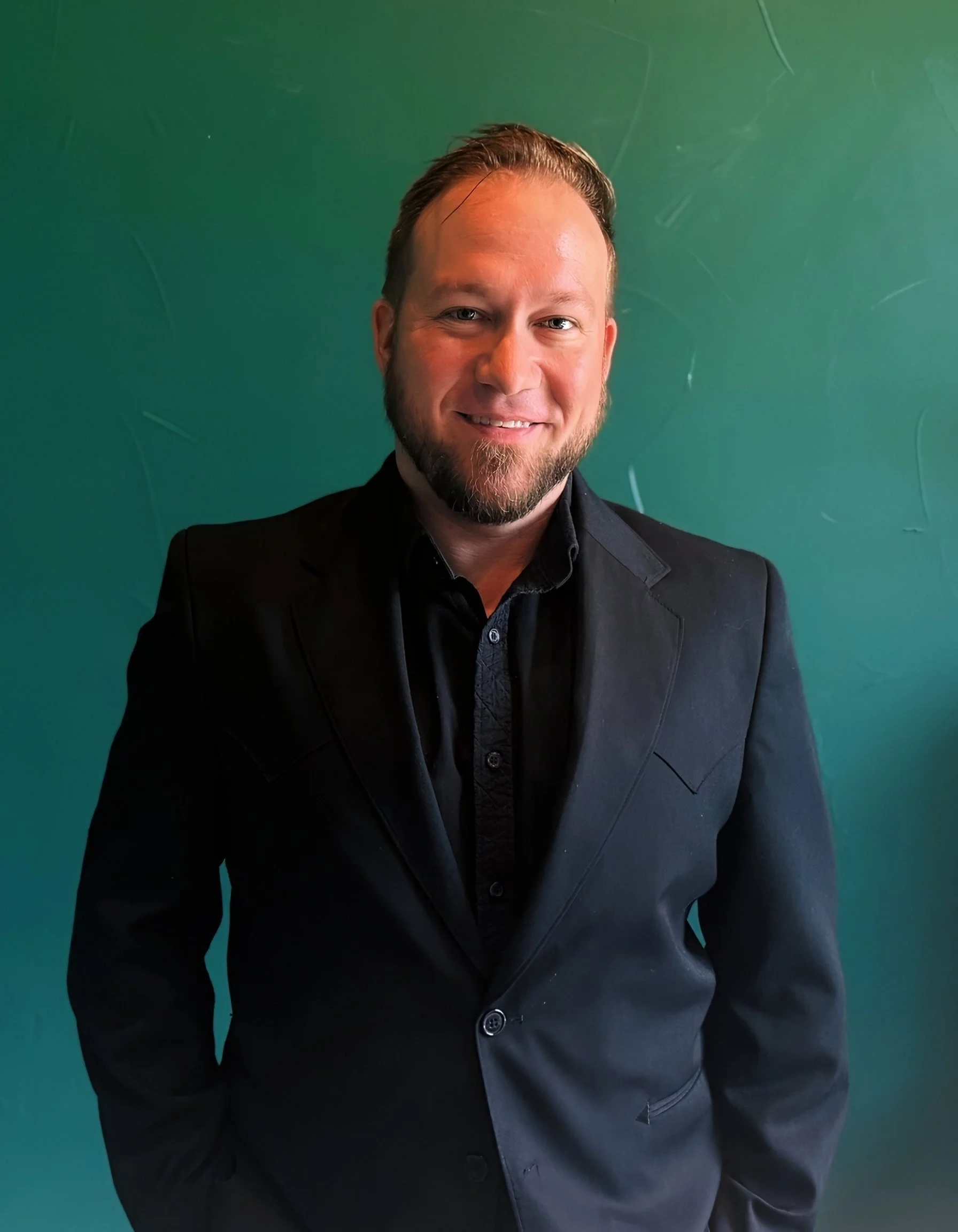
Getting Cleburne’s House in Order
Cleburne’s future should not be built on gimmicks, slogans, or trying to copy another city. We are not Round Rock. We are not Burleson. We are not Dallas. We are Cleburne — and our job is to build from the strengths that already make this community special.
That means taking care of the basics first: roads, water, public safety, city facilities, parks, transparency, economic development, and long-term financial stability. It also means making sure growth pays for growth, protecting the taxpayers from unnecessary burdens, and using every restricted fund the way it was intended.
My approach is simple: get Cleburne’s house in order before we go chasing other things.
That does not mean we stop dreaming. It means we build a foundation strong enough to support those dreams.
Please take a moment to review some of my policy positions and qualifications. Click on any of the links below to be redirected.
I am grateful for support from people who believe I am the right person to help lead Cleburne, but endorsements do not define me.
My qualifications are not borrowed from anyone else.
They come from my own life, my own work, my own service, and my own investment in this community.
I grew up here. I graduated from Cleburne High School. I built my career here. I moved my business back here. I have hired people here, served customers here, raised my family here, volunteered here, served on boards here, and made decisions from the council dais that affect the same streets, parks, schools, neighborhoods, and businesses my family uses every day.
That gives me a different perspective.
I am not looking at Cleburne from the outside. I am not treating this as a stepping stone. I am not learning this community from a campaign brochure.
This is home.
My Qualifications Are My Own
I Have Built Businesses in Cleburne
I have not just talked about economic development. I have lived it.
I have built businesses here. I have invested here. I have taken risks here. I understand what it is like to deal with permitting, construction delays, insurance, financing, staffing, payroll, customer service, and the daily realities of operating in this community.
That matters because when we talk about attracting businesses, helping small businesses, improving downtown, strengthening workforce development, or making city processes easier to navigate, I am not speaking theoretically.
I know what it feels like from the business owner’s side of the counter.
Cleburne needs leadership that understands both city government and the private sector. I bring both perspectives.
I Employ People Here
Being an employer changes how you think.
You understand that economic development is not just about ribbon cuttings and announcements. It is about whether families can earn a living. It is about whether young people can find opportunity here. It is about whether local businesses can grow, hire, and survive.
When I talk about partnering with Cleburne ISD’s CTE programs, pursuing higher-wage jobs, supporting downtown, strengthening the airport, and creating a pipeline from local education into the local workforce, that comes from experience.
I know how important it is to have qualified, dependable people in the workforce.
I also know how important it is for students to see a future for themselves in Cleburne.
I Am a Product of Cleburne
I am a product of this community.
I went through Cleburne schools. I grew up on these streets. I remember what this town was, I see what it is, and I care deeply about what it becomes.
That is why I keep coming back to the same point:
Cleburne does not need to become another city.
We need to become the best version of Cleburne.
That takes leadership with roots here, experience here, investment here, and a real understanding of what makes this place worth protecting.
I Understand What It Means to Sign the Front of a Paycheck
There is a real difference between signing the back of a paycheck and signing the front of one.
I have been responsible for making payroll. I have had to make business decisions that affect employees, families, customers, vendors, and long-term financial stability. That experience matters because city government is not just about ideas. It is about execution, budgeting, staffing, risk, accountability, and making sure the numbers actually work.
When you own businesses and employ people, you learn quickly that slogans do not pay bills.
You have to manage cash flow.
You have to plan ahead.
You have to make hard decisions.
You have to understand what happens when costs rise, when revenue changes, when regulations shift, when projects take longer than expected, and when people depend on you to get it right.
That is the kind of real-world experience I bring to this race.
I Am Not Tied to a 9-to-5 Schedule
Availability matters.
Some people try to reduce the role of mayor to council meetings, but anyone who has been close to city government knows the job is much broader than that.
The mayor is often called on for:
Budget meetings.
Developer conversations.
Ribbon cuttings.
Business visits.
Civic events.
Proclamations.
Emergency discussions.
Regional meetings.
Meetings with residents.
Meetings with builders and realtors.
Economic development conversations.
Downtown and First Street Program outreach.
Public safety and infrastructure discussions.
The best ability is availability.
Because I am a business owner, I have more flexibility to be present during the day when many of those conversations actually happen. That does not make me better as a person than someone with a traditional job, but it does make me better positioned for the demands of this specific role.
Cleburne deserves a mayor who can show up when the city needs them, not just when a work schedule allows it.
Bottom Line
I am not asking voters to support me because of who endorsed me.
I am asking voters to look at my record, my availability, my business experience, my service, and my plan.
I am the candidate in this race who has:
Grown up in Cleburne.
Graduated from Cleburne schools.
Built businesses in Cleburne.
Employed people in Cleburne.
Served on City Council.
Served as Mayor Pro-Tem.
Worked through real city budgets and policy decisions.
Served on local boards and civic organizations.
Stayed deeply involved in the community.
Maintained the flexibility to show up during the workday.
Built a platform around getting Cleburne’s house in order.
Those qualifications are not borrowed.
They are mine.
And they are exactly why I believe I am prepared to help lead Cleburne into its next chapter without losing what makes Cleburne home.
First Street Program: A Practical Step Toward Downtown Revitalization
The First Street Program is one of the most practical tools available to help Cleburne strengthen our historic downtown. It is not about creating another committee for the sake of creating a committee. It is about putting Cleburne in position to access training, technical assistance, historic preservation tools, networking opportunities, and eventually a stronger pathway toward Main Street-style revitalization.
The Texas Historical Commission describes First Street as a program that helps communities learn more about downtown revitalization and historic preservation. It is also designed as a first step for communities interested in applying to the Texas Main Street Program.
For Cleburne, this matters because our historic downtown is not just a collection of old buildings. It is one of our strongest economic development assets. It is where small businesses can thrive. It is where visitors can experience something authentic. It is where local ownership, local history, and local pride can work together.
The goal is not to turn downtown into something artificial. The goal is to preserve what makes it real while giving property owners, business owners, and the city better tools to reinvest in it.
What this means for Cleburne:
The First Street Program can help us better identify our downtown assets, organize property and business owner participation, prepare for preservation-based grant opportunities, and create a more unified strategy for downtown revitalization. It gives us a structure to work from instead of randomly reacting one building, one sidewalk, or one business at a time.
This is the kind of work that does not always make the flashiest headline, but it is exactly the kind of work that puts Cleburne in position to win long-term.
The best part is… I’ve already gained Cleburne’s acceptance into the program. We are currently in Q2 of 4 quarters in total.
This is the first step to unlocking the grant funding and the catalyst that will result in our downtown's ability to reach it's full potential.
Grants, Tax Credits, and Funding resources can be found here:
Aside from grant funding opportunities.... listing Cleburne in DowntownTX.org will be paramount in attracting investment.
Existing cities can be found here:
Heritage Tourism Over Generic Tourism
It's no secret that Cleburne's heritage is the best kept secret.
Between our museums, historic downtown, historic homes, and historic sites, we are primed for the economic boost that is only available to communities with deep roots.
Follow this link to see exactly what heritage tourism can mean for the City of Cleburne:
https://thc.texas.gov/preserve/tourism-and-economic-development/heritage-tourism
I am not interested in chasing tourism just for the sake of saying we are chasing tourism. Cleburne should focus on the kind of tourism that actually fits who we are.
That is why I believe heritage tourism is the right lane for Cleburne.
Generic tourism often requires a city to manufacture attractions, chase trends, or spend money trying to become a place it is not. Heritage tourism starts with what we already have: our history, our downtown, our railroad story, our parks, our historic buildings, our local businesses, our museums, our events, and the people who have shaped this community for generations.
Cleburne does not have to invent an identity. We already have one.
The smarter move is to package, promote, and protect the identity we already have. Heritage tourism brings people here for an authentic reason. It supports downtown businesses, restaurants, hotels, museums, events, and local attractions. It also pairs naturally with tools like the First Street Program, historic tax credits, downtown revitalization, and hotel occupancy tax strategy.
This is not about becoming a tourist trap. It is about turning Cleburne’s story into an economic asset.
My position is simple: we should play to our strengths before we chase someone else’s.
Heritage Tourists Visit Texas Time Travel
I'm excited to get Cleburne added to this mechanism that will draw this niche group from around the globe. Learn more below:
https://texastimetravel.com/
Hotel Occupancy Tax revenue is a dedicated tourism tool, not general city revenue. Under Texas low, HOT funds must directly promote tourism and the convention or hotel industry, and they must fit within specific allowed categories.
These include visitor centers, convention-related expenses, tourism advertising, arts promotion, historic preservation, qualifying sporting events, certain sports facility upgrades, tourist transportation, and tourism signage.
My goal is to use these funds strategically.
That means growing Cleburne's heritage tourism, strengthening downtown, supporting events that bring visitors into town, building a stronger tournament calendar, and using tourism-generated revenue for tourism-related expenses wherever legally appropriate.
HOT Tax Strategy: Using Visitor Dollars to Ease General Fund Pressure
Cleburne should be more strategic with hotel occupancy tax revenue.
Hotel occupancy tax, commonly called HOT tax, is paid by people staying in hotels and lodging facilities. Under Texas law, local HOT revenue is restricted and must generally be used in ways that promote tourism and the hotel/convention industry. The Texas Comptroller notes that local hotel taxes are part of a restricted tax structure, and state law governs how those funds can be used.
That restriction matters. We cannot simply use HOT tax like general property tax revenue. But we can be smart.
One opportunity is sports tourism. If Cleburne can grow tournament activity and hotel stays tied to sports facilities, we may be able to unlock lawful ways to use certain HOT-related revenues for maintenance, enhancement, or improvement of sports facilities, provided the use meets statutory requirements. Texas law includes specific provisions for certain municipalities regarding sports facility and field maintenance tied to hotel occupancy tax revenue, but eligibility and use must be reviewed carefully before any city relies on it.
The broader strategy is this:
Use tourism-related activity to generate tourism-related revenue.
Use that revenue where legally allowed to support the facilities creating the activity.
Reduce pressure on the General Fund where possible.
That matters because every dollar we can lawfully shift away from the General Fund gives us more flexibility for core services like roads, public safety, staffing, and infrastructure.
This is not about creating a shell game. It is about aligning revenue sources with the expenses they are legally and practically connected to.
Cleburne currently generates roughly $500,000 to $600,000 a year in hotel occupancy tax revenue.
The more we grow overnight stays and visitor activity, the more we can use HOT revenue to support eligible tourism assets instead of relying as heavily on the General Fund.
Transparency and Public Engagement
Transparency should not require citizens to know where to dig. It should be placed directly in front of them.
That is why I’ve proposed placing a QR code on city water bills that links residents directly to upcoming council agendas, meeting minutes, and other key public information.
Most residents are busy. They are raising families, working jobs, running businesses, and paying bills. They may not know when the next council meeting is. They may not know where to find the agenda. They may not know what items are being discussed until after decisions are made.
A QR code is simple, inexpensive, and direct.
It would allow residents to scan their bill and immediately see what is coming before council, what was recently voted on, and how city decisions are being made. That kind of access builds trust.
But transparency should not stop at posting information online.
I also believe council members should be charged with holding quarterly meetings within their districts to keep residents engaged, informed, and heard.
Every district has its own concerns, its own road issues, its own development questions, its own neighborhood challenges, and its own priorities. Residents should not feel like the only way to be heard is to come to City Hall during a formal council meeting.
Quarterly district meetings would give citizens a regular opportunity to ask questions, hear updates, discuss concerns, and better understand what is happening in their part of town.
These meetings would also help council members stay closer to the neighborhoods they represent. It is one thing to hear about an issue from behind the dais. It is another thing to hear it directly from residents in their own district.
This is not about creating more government for the sake of more government. It is about making local government more accessible.
If we want more people engaged in Cleburne’s future, then City Hall needs to meet people where they are — not just expect people to come to City Hall.
Partnering with Cleburne ISD Continuing Education and CTE Programs

One of the strongest workforce development tools Cleburne has is already being paid for by Cleburne taxpayers: our local school system.
The majority of our property tax dollars go toward education. That means we should be intentional about making sure those dollars are not just producing graduates, but helping produce career-ready young adults who can find opportunity right here in Cleburne.
That is why I want to strengthen the connection between the City of Cleburne, Cleburne ISD’s CTE programs, local employers, and our future workforce.
One practical example I am working on is a program that would allow CTE students to help decertify city public safety vehicles before they go to auction. When police, fire, or other public safety vehicles are retired, they often need equipment removed before they can be sold. That can include lights, sirens, wiring, and other public safety components.
Instead of treating that only as a routine disposal process, we can turn it into a training opportunity.
Students could gain hands-on experience with vehicle systems, electrical components, basic mechanics, equipment removal, documentation, safety procedures, and real-world municipal operations. The city benefits by creating a practical work-based learning opportunity. Students benefit by gaining experience that can translate into jobs. Taxpayers benefit because we are using existing public assets to strengthen the workforce pipeline.
That is the kind of partnership Cleburne should be pursuing.
The bigger vision is to create a direct channel from Cleburne ISD’s CTE programs into Cleburne’s workforce. That could include automotive, welding, construction, electrical, HVAC, public safety, business, health sciences, aviation, technology, and other career tracks that match the needs of local employers.
Our young people should not have to assume that opportunity is somewhere else.
If we can connect students with city departments, local businesses, industrial employers, contractors, public safety, the airport, healthcare providers, and skilled trades, we can help more students see a future here.
This is not just education policy. This is economic development.
A strong CTE pipeline can help local businesses find trained workers, help students graduate with real skills, and help Cleburne keep more of its own talent at home.
If Cleburne taxpayers are helping fund the education system, then Cleburne should be working to make sure that system also helps build Cleburne’s workforce.
Establish a Charity Summit
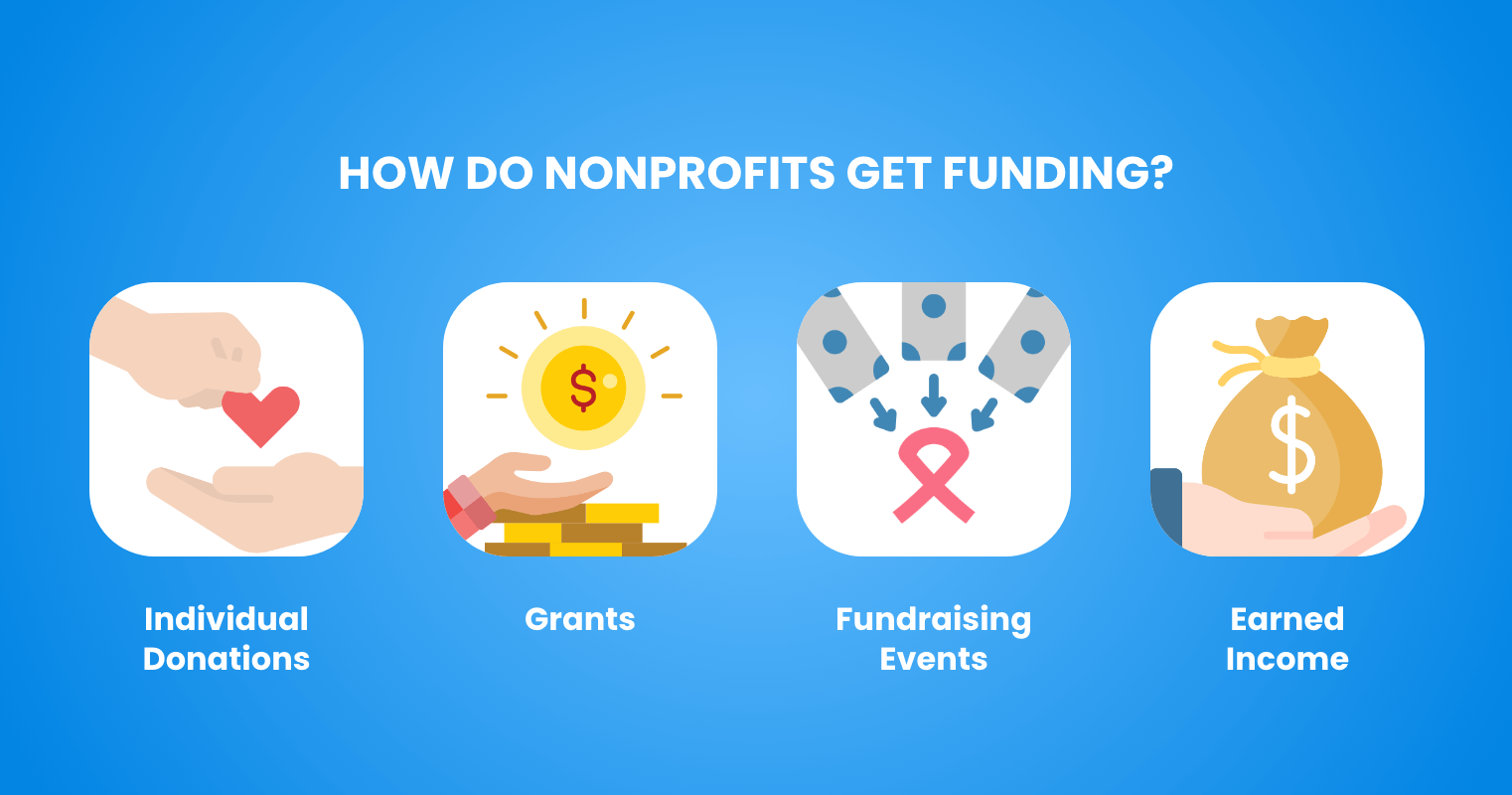
Cleburne is blessed with people and organizations that care deeply about helping others. But even good organizations can become less effective when they operate in silos.
That is why I want to launch a Charity Summit.
The purpose would be to get Cleburne’s nonprofits, churches, service organizations, assistance groups, and community partners in the same room so everyone has a better understanding of who is doing what.
This helps in several ways.
First, it helps organizations avoid duplicating services without knowing it.
Second, it helps identify gaps where needs are not being met.
Third, it helps nonprofits coordinate fundraising calendars so major events do not overlap and hurt each other’s success.
Fourth, it helps charitable groups better recognize individuals who are repeatedly moving through systems without any real intention of using available programs to stabilize, reintegrate, or return to the workforce.
That last point is important and needs to be handled carefully. This is not about losing compassion. It is about making compassion effective.
With more than 350 nonprofit and tax-exempt organizations, including nearly 70 churches, Cleburne already has a deep network of people and institutions doing good work.
The city’s role should be to help connect that network, remove barriers where possible, and build partnerships that solve problems without assuming government has to carry every burden alone.
The goal should always be to help people who truly need help while also protecting the capacity of the organizations doing the work. If someone is ready to take steps toward stability, we should help connect them with the right resources. But if someone is abusing the system, nonprofits should not be left unaware while each organization is approached separately.
A Charity Summit would help Cleburne serve people better, coordinate resources better, and protect the long-term strength of the organizations our community depends on.
Animal Shelter: Public-Private Partnership, Not Just More Spending

The idea is not just to build a park for appearance. The idea is to create an environment where nonprofit partners and volunteers can more easily support the shelter, help with adoption events, improve public access, create better visibility, and turn the shelter into a place the community is more connected to.
A shelter hidden away from the public will always struggle to build support.
A shelter connected to a public-facing environment has a better chance to recruit volunteers, attract nonprofit involvement, encourage adoptions, and create a stronger culture of community responsibility.
The city has a role. Nonprofits have a role. Citizens have a role.
The animal shelter is one of those issues where simply throwing more taxpayer money at the problem will not fix the root issue. In fact, if we are not careful, it can perpetuate the problem.
Better outcomes will require public-private partnership.
That means working with nonprofit animal groups, volunteers, rescue organizations, donors, veterinarians, fosters, and the city to create a more effective support system around the shelter.
One creative idea is to explore whether 4B funding can be used lawfully and strategically to help build a park or public space around the animal shelter. Type B economic development corporations in Texas can support certain categories of community and quality-of-life projects, but projects must fit within the legal requirements of Chapter 505 and related law.
While you’re here.. click the link below and consider adopting a fur baby!
https://www.cleburne.net/265/Adoptions
The answer is not government alone. The answer is partnership.
Fabless Semiconductors vs. Data Centers: Cleburne Should Chase Jobs, Not Just Megawatts
Cleburne needs to be careful not to confuse a large investment number with a good economic development deal.
That is the danger with data centers.
A data center can produce an impressive headline: hundreds of millions, or even billions, in capital investment. But the real question for Cleburne should be: what do we get in return for the infrastructure capacity we give up?
Data centers can require enormous amounts of electricity, water, land, transmission capacity, and utility planning. The U.S. Department of Energy notes that data center growth is a major driver of near-term electricity demand, with EPRI estimating data centers could consume up to 9% of U.S. electricity generation annually by 2030.
That is a staggering number.
For a city like Cleburne, that means we need to ask hard questions before chasing a project like that:
How much power capacity would it consume?
How much water would it require directly or indirectly?
How many permanent local jobs would it actually create?
Would it strain infrastructure that could otherwise support multiple employers?
Would it tie up industrial land that could produce broader workforce benefits?
Would residential and small business utility users eventually feel the impact?
Is this the highest and best use of our economic development effort?
A data center may look modern, but if it consumes massive utility capacity while creating relatively few long-term jobs, it may not be the right fit for Cleburne.
That does not mean every data center is automatically bad.
It means Cleburne should not be dazzled by the size of the press release.
The Staggering Difference
The difference between a data center and a fabless semiconductor opportunity is not small. It is the difference between an infrastructure-heavy project and a workforce-focused project.
A data center is primarily a utility and real estate play.
A fabless semiconductor company is primarily a talent, design, engineering, research, and intellectual property play.
That distinction matters.
Data centers need massive power capacity to run servers and cooling systems. Fabless semiconductor firms design chips but do not operate the fabrication plants that manufacture them. Samsung describes a fabless company as one that has the ability to design semiconductors but does not own a production line.
That means a fabless semiconductor strategy gives Cleburne a way to pursue higher-wage technology jobs without chasing the utility burden of a massive chip fabrication plant or a large-scale data center.
In plain English:
Data centers consume infrastructure.
Fabless semiconductor firms consume talent.
Data centers chase megawatts.
Fabless firms chase engineers, designers, technicians, coders, and support staff.
Data centers can tie up land and power with limited employment.
Fabless firms can create office, research, design, technical, and supplier jobs.
Data centers may create a big tax-base number.
Fabless firms can create a workforce pipeline.
Cleburne should be chasing industries that create opportunity for our people, not just industries that create a large number on a project announcement.
Why This Matters for Water and Power Planning
Cleburne is already having serious conversations about water, wastewater, electric capacity, roads, and long-term infrastructure.
That means we have to be selective.
A project that consumes huge amounts of utility capacity has an opportunity cost. Every gallon of water, every megawatt of power, every acre of industrial land, and every infrastructure extension used for one project is capacity that may not be available for another.
Texas is already seeing this debate play out statewide. Recent reporting on a University of Texas study found data centers currently use less than 1% of Texas water, but could account for 3% to 9% of total Texas water use by 2040 as the industry grows.
That should get everyone’s attention.
Cleburne does not have unlimited infrastructure capacity. We need to protect that capacity for projects that bring the best long-term return.
A data center may bring investment.
But a fabless semiconductor company could bring something more valuable: a reason for our kids to stay, train, work, and build careers here.
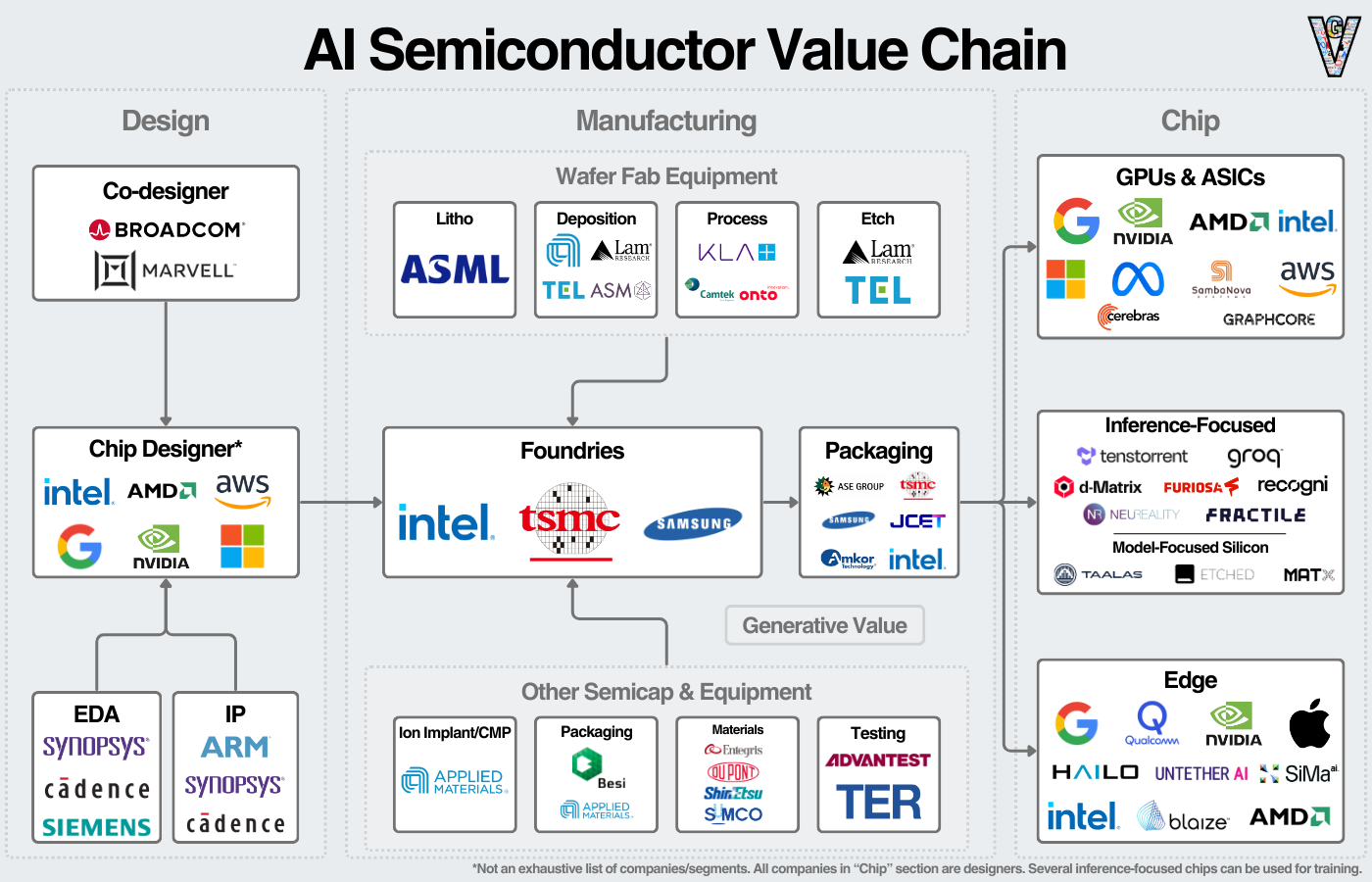
How the CHIPS Act Changes the Conversation
The CHIPS and Science Act made semiconductors a national priority.
The National Institute of Standards and Technology states that the CHIPS and Science Act provided the Department of Commerce with $50 billion for programs to strengthen U.S. semiconductor research, development, and manufacturing while investing in American workers.
That is important because the semiconductor industry is not just about giant factories. It includes research, design, engineering, materials, supply chain, software, testing, packaging, workforce development, and advanced manufacturing support.
Cleburne does not have to chase the largest, most expensive, most utility-intensive piece of that ecosystem.
We need to find the piece that fits us.
That is where fabless semiconductor and semiconductor-adjacent companies make sense.
The CHIPS Act created national momentum. Texas has added state-level momentum. The Texas Semiconductor Innovation Fund was created under the Texas CHIPS Act to support semiconductor research, design, and manufacturing, and the Governor’s office says the state appropriated $698 million for the fund.
Notice the wording: research, design, and manufacturing.
That matters.
Cleburne may not be the right fit for a massive fabrication plant, but we can absolutely position ourselves for the design, support, supplier, research, workforce, and semiconductor-adjacent portions of the industry.
The CTE and Workforce Connection
This is where economic development becomes more than land deals and ribbon cuttings.
Fabless semiconductor and semiconductor-adjacent opportunities could connect with Cleburne ISD, Hill College, local employers, and regional workforce partners.
That could create pathways in:
Electronics.
Coding.
Robotics.
Engineering.
Drafting.
CAD design.
Cybersecurity.
IT support.
Technical sales.
Quality control.
Equipment maintenance.
Advanced manufacturing support.
Business operations.
That is the kind of economic development that can change a student’s future.
If Cleburne taxpayers are helping fund the education system, then we should be intentional about building career pathways that connect students to local opportunity.
A data center may use a lot of electricity.
A fabless semiconductor strategy could use a lot of local talent.
That is the difference.
What Cleburne Should Be Chasing
Cleburne should not be chasing the biggest project just because it is big.
We should be chasing the right project because it fits.
A fabless semiconductor strategy could help attract:
Chip design firms.
Engineering offices.
Software and embedded systems companies.
Electronics design firms.
Testing and validation support.
Technical sales and support operations.
Semiconductor supply chain offices.
Research and development support.
Advanced manufacturing-adjacent companies.
Workforce training partnerships.
Aviation-adjacent technology users.
Regional office and operations teams.
These are the kinds of companies that can fit into Cleburne without overwhelming Cleburne.
They also connect directly to workforce development.
The Bottom Line
Cleburne should not measure economic development by the size of the announcement.
We should measure it by the return to the community.
A data center can bring a big capital investment number, but it can also consume large amounts of power, water, land, and utility capacity while creating fewer long-term local jobs than people might assume.
Fabless semiconductor opportunities are different.
They focus on design, engineering, research, software, intellectual property, technical support, and workforce development. They fit better with Cleburne’s need for higher-wage jobs without requiring us to become a massive utility-heavy technology hub.
The CHIPS Act and Texas CHIPS Act have created momentum around semiconductors. Cleburne should pay attention — but we should enter the lane that fits us.
Not giant fabs.
Not infrastructure-draining data centers.
But fabless, semiconductor-adjacent, workforce-connected opportunities that bring modern jobs without sacrificing Cleburne’s long-term infrastructure capacity.
Cleburne should chase jobs, not just megawatts.
To understand Cleburne's road situation today, you have to understand where we have been.
Years ago, the city made the decision to use temporary oil and gas revenue to buy down the property tax rate. At the time, that may have sounded good. But when that revenue dried up, the city was left with fewer resources to maintain basic services.
One of the consequences was that Cleburne sold off its street equipment and moved toward outsourcing road work. That decision changed the city's road program for years. it took nearly a decade for the city to rebuild its financial footing and get back into o position where a consistent street improvement program could be funded.
That history matters because it shows why short term financial decisions can create long-term infrastructure problems.
That is why my approach is steady and disciplined.
We cannot fix every road overnight. But we can keep making consistent progress, protect quality, and avoid repeating the same mistakes that set us back before.
The lesson is simple: when a city sacrifices long-term infrastructure stability for short-term financial applause, roads are often where citizens feel the consequences first.
Roads: Stay the Course and Do the Work Right
Below are the streets budgeted for the 2026 Street Program. You can visit prior years by following the link below:
https://www.cleburne.net/1361/Street-Maintenance-Program
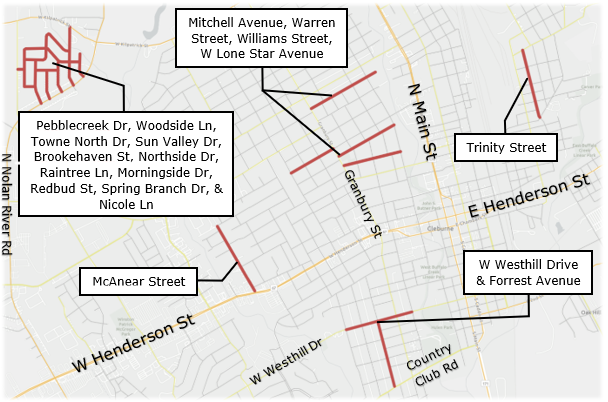
Everyone wants roads fixed faster. I do too.
But road work has to be done correctly, not just quickly.
Cleburne currently budgets approximately $2.5 million per year for road work because that is the practical capacity we can responsibly manage with the staff we have available to oversee outsourced work. The city does not just write a check and hope the contractor does the job right. Staff must be available on job sites to inspect, manage, verify, and hold contractors accountable.
If we overextend beyond our oversight capacity, we risk paying for work that is rushed, poorly managed, or has to be redone.
That is not responsible.
Since 2019, Cleburne has replaced, resurfaced, or completed mill and overlay work on approximately 50 miles of roads. That is progress, but it is not the finish line.
The right approach is steady, disciplined, and sustainable.
There is also a reason “worst first” is not always as simple as it sounds. Some roads need full reconstruction. Some need resurfacing. Some are tied to underground utility work. Some may be affected by future development, drainage, or TxDOT projects. If we repair the surface before addressing the underlying issue, we may end up doing the same road twice.
That is not good government.
My position is to keep the road budget steady, protect quality control, prioritize intelligently, and continue making measurable progress without creating a bigger problem later.
Do it right, not twice.
Getting Cleburne’s Enterprise Funds in Order

Before we talk about big new ideas, we need to make sure the assets we already own are being managed correctly. The airport should not just be viewed as a runway. It should be viewed as an economic development tool, a business recruitment asset, and a potential home for aviation-related growth.
But first, the numbers need to work.
That means reviewing leases, adjusting rates when appropriate, pursuing grant opportunities, aligning with the airport master plan, and recruiting aviation-adjacent businesses that fit the airport’s purpose.
Getting the airport in order is not just an accounting exercise. It is economic development discipline.
Enterprise funds should operate more like business units. They should be tracked, managed, and improved with the goal of reducing unnecessary pressure on the General Fund.
The airport is one of the clearest examples.
Cleburne’s airport has real economic development potential, but for an enterprise fund to work correctly, the revenues and expenses have to make sense. One step we have already taken is adjusting rent rolls for CPI, which added roughly $200,000 to that enterprise fund and brought the airport closer to operating in the black.
That is the kind of practical housekeeping that matters.
The Airport Master Plan can be found here:
https://www.cleburne.net/DocumentCenter/View/8327/Airport-Master-Plan-2022?bidId=
Cleburne cannot talk seriously about public safety while ignoring the condition of the facilities our public safety professionals are working in.
Our current police facility is outdated, undersized, and no longer fits the needs of a growing city. We have officers working out of spaces that were never designed to function as offices. In some cases, they are literally working out of closets. Our dispatch area can only fit two people, which limits flexibility, staffing, training, and long-term emergency response capacity.
That is not acceptable for a city that is growing and asking more from its public safety team every year.
A new Public Safety Facility near the airport would allow Cleburne to plan for the future instead of continuing to patch together a facility that has already outgrown its usefulness.
This facility should be designed to include:
Police Department operations.
Fire administration.
Municipal Court.
Dispatch and communications.
Evidence storage.
Interview and investigation space.
Training and meeting rooms.
Secure areas for staff, records, and operations.
Room for future growth.
This is not about building something flashy. It is about building something functional, secure, and appropriate for the level of service Cleburne residents expect.
Public Safety Facility: Giving Police, Fire Administration, Dispatch, and Municipal Court the Space They Need
Why the Current Facility No Longer Works
The current facility was not designed for the demands of modern public safety.
Today’s police department requires far more than desks and holding space. Officers need secure work areas, technology infrastructure, evidence processing, interview rooms, records management, training space, proper locker facilities, and room for specialized operations.
Dispatch needs room to operate safely and efficiently, especially during major incidents, storms, high-call-volume events, or overlapping emergencies.
Municipal Court needs a professional, accessible, and secure environment for citizens, staff, attorneys, officers, and court operations.
Fire administration also needs appropriate space to manage fire prevention, inspections, emergency management coordination, planning, and administrative support.
Right now, we are asking too many departments to function in spaces that were not built for what they are being asked to do.
That is not a sustainable plan.
Links to future facilities (including the public safety facility), can be found here:
https://www.cleburne.net/futurefacilities
Why the Airport Area Makes Sense
Locating the new Public Safety Facility near the airport gives Cleburne an opportunity to think strategically.
The airport area provides room for a properly planned facility with better access, better security, better parking, and better long-term expansion potential. It also aligns with the broader strategy of treating the airport area as an economic development asset instead of an afterthought.
A public safety facility in that area could help anchor future investment, support airport-related planning, and create a stronger civic presence in an area that already has strategic importance.
This is the type of project where location matters.
We should not simply ask, “Where can we squeeze this in?”
We should ask, “Where does this facility make the most sense for the next 30 to 50 years?”
Planning for Growth Without Losing Discipline
Cleburne is growing, and public safety needs will grow with it.
That does not mean we write a blank check. It means we plan carefully, design responsibly, and build a facility that meets today’s needs while giving future councils room to grow without starting over from scratch.
The worst approach would be to spend millions of dollars on a facility that is already too small the day it opens.
The second-worst approach would be to do nothing and continue forcing public safety employees to make do in inadequate spaces.
The responsible path is to build what we need, plan for what is coming, and make sure taxpayers understand exactly why the project matters.
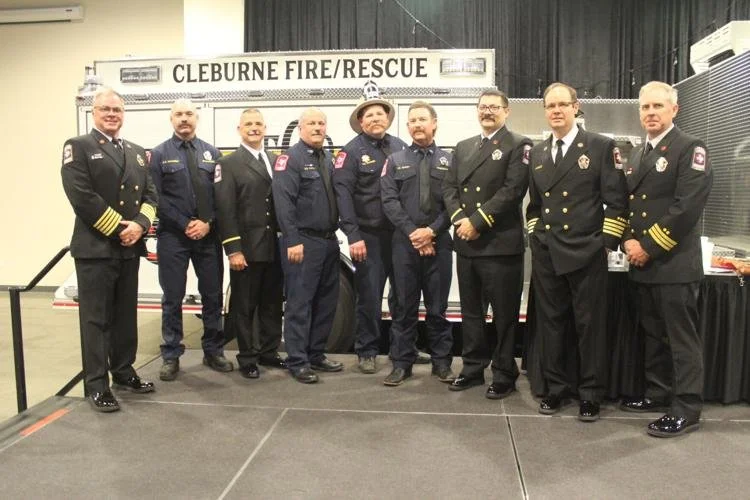
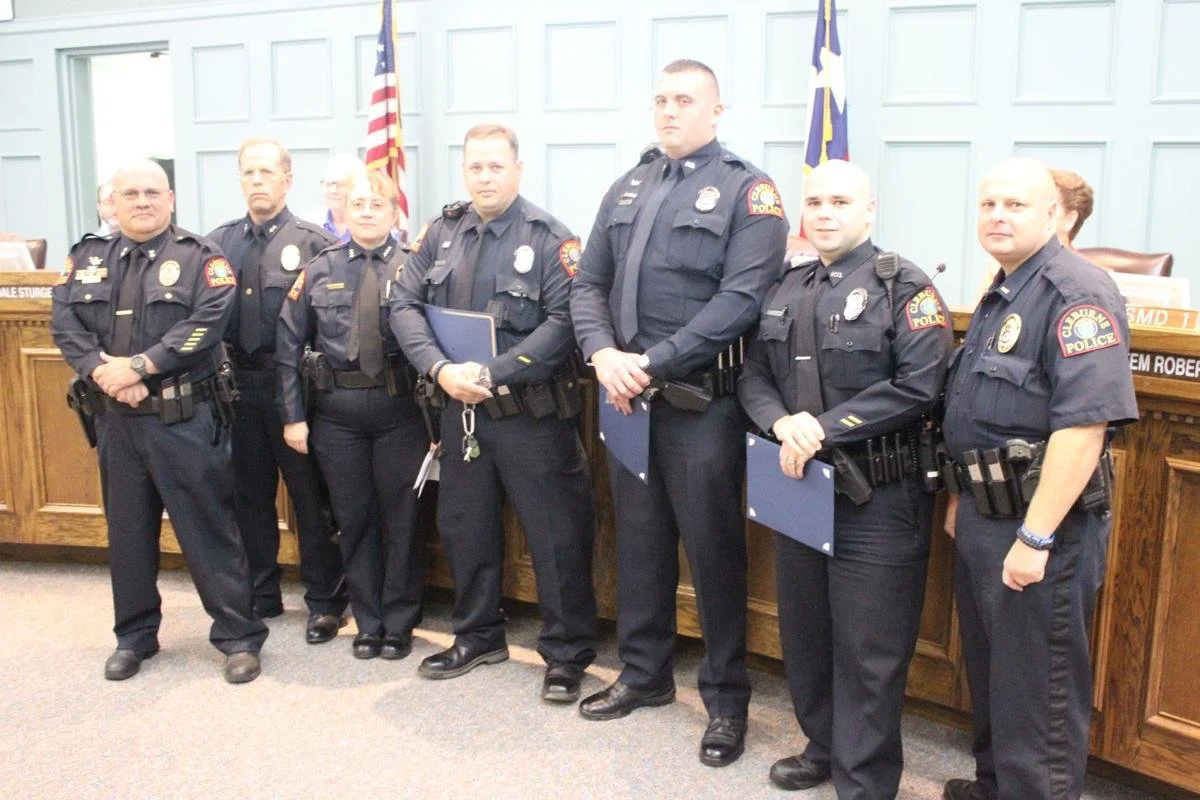
How This Fits the Larger Financial Strategy
A new Public Safety Facility must be handled with financial discipline.
If voters approve the bond, the city should immediately evaluate the most responsible way to manage that debt over time. That includes looking at whether a voter-approved Crime Control and Prevention District could help create a dedicated public safety revenue stream to reduce long-term pressure on taxpayers.
That discussion should happen separately from any reckless attempt to raid 4A or 4B funds for the General Fund.
The distinction matters.
I do not support using economic development funds as a loose budget patch. But if voters approve a public safety facility, then it is worth exploring whether a dedicated, voter-approved public safety district could help pay down that debt faster, reduce interest costs, and protect the General Fund.
That is how we should approach major projects:
Be honest about the need.
Be transparent about the cost.
Let voters decide.
Protect taxpayers.
Use dedicated funds for dedicated purposes.
Avoid short-term budget gimmicks.
Plan for the next generation, not just the next election.
Bottom Line
Cleburne’s public safety employees should not be working out of closets.
Dispatch should not be limited to a space that can only fit two people.
Police, fire administration, dispatch, and municipal court should not be forced to operate out of facilities that no longer match the needs of the city.
A new Public Safety Facility near the airport is not about extravagance. It is about giving essential city services the space, security, technology, and long-term functionality they need to serve Cleburne well.
This is what getting Cleburne’s house in order looks like.
Before we chase extras, we take care of essentials.
Public safety is essential.
Neighborhood Redevelopment Housing Standards
Cleburne’s housing strategy needs to be more precise than simply saying we need “better homes.” We need to use the right tools for the right problems.
A Neighborhood Empowerment Zone should not be treated as a blanket incentive for all housing. It should be used as a targeted redevelopment tool, especially in areas like the east side of Cleburne where reinvestment, rehabilitation, infill development, and neighborhood stabilization can make a real difference.
For nicer homes and true custom builds, the better approach is not necessarily an incentive zone. The better approach is to raise the baseline through stronger zoning and development standards.
Cleburne already has a significant number of housing units approved or grandfathered under older standards. That means we cannot undo every past approval overnight, but we can stop repeating the same mistakes going forward.
My position is simple:
Use NEZs for targeted redevelopment.
Use stronger zoning standards for higher-quality future housing.
Use impact fees to make growth pay for growth.
Use Neighborhood Services to organize the city around the problems residents actually experience.
This is how we get Cleburne’s house in order.
Why NEZs Make Sense for East Cleburne
Cleburne does not need more of the same housing product repeated over and over again.
We already have a significant amount of housing entitled or grandfathered under prior standards. That means the city has to be honest about what it can and cannot change immediately. But it also means we need to get serious about what we require going forward.
For higher-end homes, true custom builds, and future residential development, the city should focus on strengthening baseline zoning and development requirements.
That may include reviewing:
Architectural standards.
Masonry or exterior material requirements.
Garage placement and front-facing garage limitations.
Lot size and spacing.
Sidewalk connectivity.
Tree preservation and landscaping.
Drainage standards.
Street layout and connectivity.
Open space requirements.
Compatibility with existing neighborhoods.
This is how Cleburne can raise the bar without pretending one incentive program will solve every housing concern.
If a builder wants to build in Cleburne, the expectation should be clear: we welcome growth, but we expect quality.
That does not mean making it impossible to build. It means making sure the finished product respects the community, protects property values, and contributes to the long-term character of Cleburne.
We cannot undo every old approval overnight, but we can stop repeating the same mistakes going forward.
Custom Homes Need Stronger Standards, Not Just Incentives
For nicer homes and true custom builds, the city should focus on stronger baseline requirements.
If we want a better finished product, we need to require a better finished product up front.
That may include reviewing and strengthening standards for:
Exterior materials.
Architectural design.
Front elevations.
Garage placement.
Lot layout.
Sidewalk connectivity.
Landscaping.
Drainage.
Open space.
Street connectivity.
Neighborhood compatibility.
Cleburne should welcome quality growth, but we should also be clear about our expectations.
The question should not just be, “How many rooftops can we get?”
The better question is, “What kind of neighborhoods are we building?”
Growth should add value. It should protect property values. It should age well. It should strengthen the character of Cleburne, not water it down.
We cannot keep accepting more of the same just because that is what has been allowed in the past.
The Reality of Grandfathered Housing
Cleburne already has thousands of housing units approved or grandfathered under older development standards.
That reality matters.
It means some future housing may still be built under rules that do not fully reflect where we want to go as a city. That is why we need to act now to raise expectations for future projects.
Every year we wait, more development can move forward under outdated standards.
This is not anti-growth.
It is pro-quality growth.
Cleburne is going to grow. The real question is whether that growth will still feel like Cleburne when it is finished.
Why Consolidation Makes Sense
A Neighborhood Services Department would help Cleburne align related functions under one coordinated structure.
That could include:
Code Compliance.
Property maintenance.
Substandard structures.
Dangerous buildings.
Rental housing enforcement.
Nuisance abatement.
Health and safety enforcement.
Zoning ordinance enforcement.
Illegal dumping.
Junked, abandoned, or disabled vehicles.
Consumer Health.
Food safety.
Mosquito control.
Animal Services.
Housing repair programs.
Neighborhood cleanups.
Neighborhood associations.
Infill housing.
Community development grants.
Land bank opportunities.
The proposal specifically recommends consolidating enforcement operations related to property maintenance, substandard structures, dangerous structures, rental housing, health and safety, zoning, general ordinances, and environmental crimes under Code Compliance, with Code Compliance, Animal Services, and Housing grouped under a new Neighborhood Services Division.
That kind of structure would help:
Reduce departmental silos.
Improve communication.
Make enforcement more consistent.
Route citizen complaints more efficiently.
Identify repeat problem properties.
Connect code enforcement with revitalization.
Coordinate cleanups, housing programs, and neighborhood reinvestment.
Make city government easier for residents to navigate.
This is not about creating more government for the sake of more government.
It is about making city government work better.
Creating a Neighborhood Services Department
Housing quality, code enforcement, animal issues, health concerns, property maintenance, and neighborhood revitalization are often connected.
Right now, those responsibilities are spread across different departments. Code Compliance and Animal Services are under the Police Department, while the Fire Department has responsibilities tied to substandard structures, rental housing, certain property maintenance duties, Consumer Health, and Housing. The attached Neighborhood Services proposal identifies these overlapping responsibilities and recommends consolidating many of them under a common structure.
This is not a criticism of Police or Fire.
Police should focus on public safety, law enforcement, crime response, and protecting the community.
Fire should focus on fire suppression, rescue services, emergency medical response, fire prevention, emergency management, inspections, and fire code enforcement.
But neighborhood conditions require a different kind of structure.
A resident dealing with a dangerous structure, illegal dumping, animal issues, a nuisance property, a health concern, or a code violation should not have to figure out which department owns which problem.
The city should be organized around the problems residents actually experience.
How This Connects to East Side Redevelopment
A NEZ alone will not revitalize east Cleburne.
Code enforcement alone will not revitalize east Cleburne.
Stronger zoning alone will not revitalize east Cleburne.
We need the tools working together.
A NEZ can provide the targeted redevelopment incentive.
Stronger zoning can raise the quality of future development.
Impact fees can make sure new growth helps pay for the infrastructure it requires.
Neighborhood Services can provide the operational structure to manage code enforcement, health issues, housing programs, animal services, cleanups, and community revitalization.
The Neighborhood Services proposal’s organizational chart shows a broader structure that could include Code Compliance, Animal Services, Consumer Health, Community Revitalization, Transportation, and Housing. It also lists neighborhood cleanups, housing repair programs, neighborhood associations, infill housing, community development grants, and land bank activity as part of the broader concept.
That is the kind of structure Cleburne needs if we are serious about neighborhood redevelopment.
The east side deserves more than scattered attention.
It deserves an intentional plan.



The Bigger Picture
This section of my platform is about one thing: getting Cleburne’s house in order.
That means:
Better redevelopment tools.
Better housing standards.
Better code enforcement.
Better neighborhood coordination.
Better use of existing infrastructure.
Better protection for taxpayers.
Better outcomes for residents.
Cleburne does not need to become another city. We need to become a better version of ourselves.
That starts by being honest about what tools fit which problems.
NEZs should be used for redevelopment.
Zoning should be used to raise housing standards.
Impact fees should make growth pay for growth.
Neighborhood Services should organize the city around real neighborhood issues.
If we want better neighborhoods, better housing, and better redevelopment, we need better standards, better tools, and a better structure to carry them out.
The goal is simple: strengthen neighborhoods, raise expectations, protect taxpayers, and make sure Cleburne grows in a way that still feels like Cleburne.
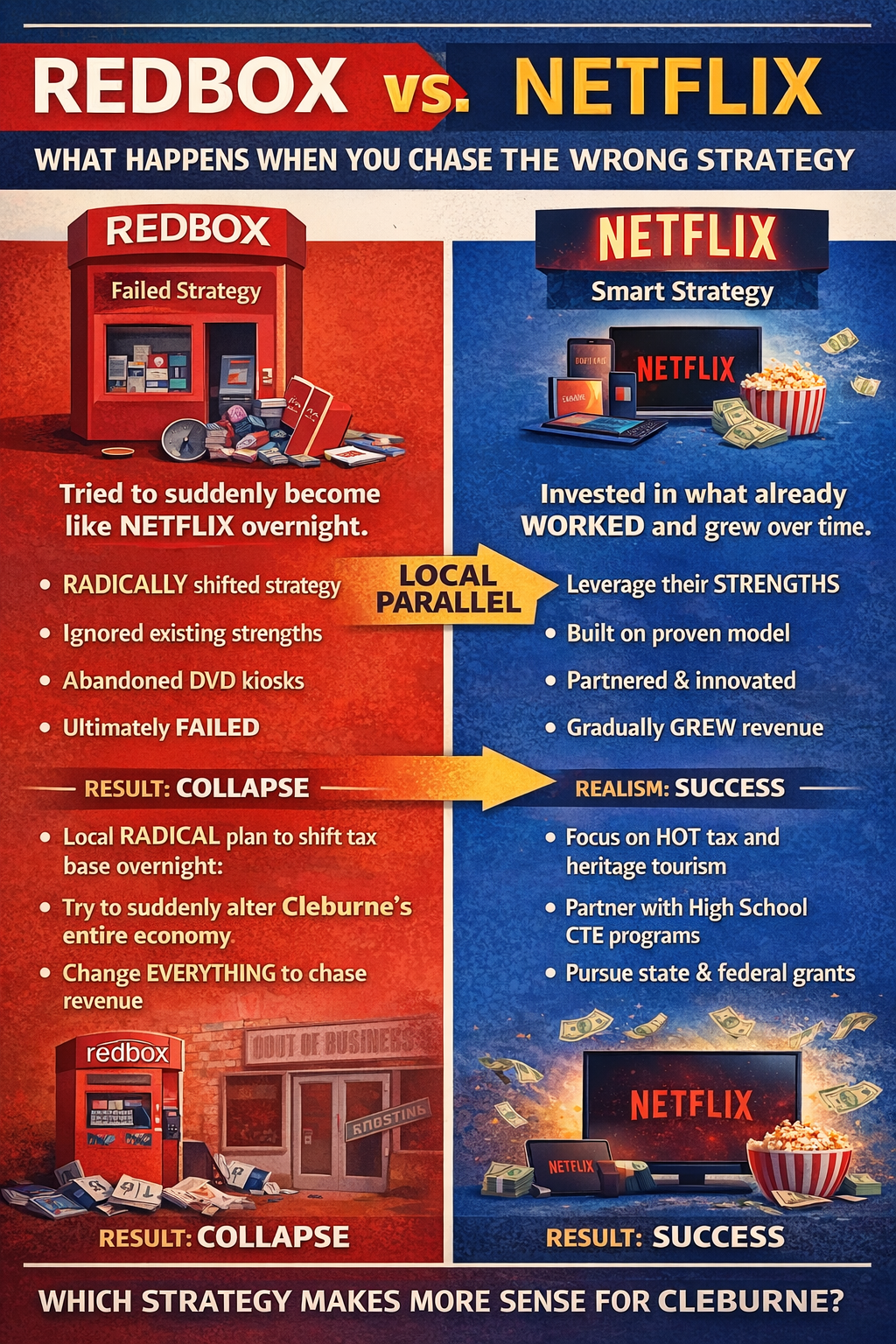
One of the biggest financial mistakes Cleburne could make is trying to become something we are not.
That is why the Redbox example matters.
Redbox had a business model that worked. It was simple, familiar, and profitable for a time. But instead of continuing to strengthen what made it successful, Redbox tried to chase Netflix. It tried to move into a lane where it did not have the same foundation, scale, timing, or competitive advantage.
The result was not transformation.
It was collapse.
That is the warning for Cleburne.
We cannot abandon the tools that are working just because someone wants to chase a flashier idea. Cleburne’s 4A and 4B funds are not random pots of money. They are restricted, voter-approved economic development tools. They exist to help us strengthen the local economy, support eligible projects, invest in infrastructure, improve quality of life, and create future opportunity.
If we start treating 4A and 4B like a general checking account, we risk weakening the very tools that help Cleburne grow responsibly.
That is the Redbox mistake.
Taking something that has a specific purpose, chasing something that sounds more exciting, and undermining the foundation that made progress possible in the first place.
4A/4B - The Largest Financial Issue of This Campaign
Why Diverting 4A/4B Into the General Fund Is Dangerous
Diverting 4A and 4B funds into the General Fund may sound attractive when it is packaged as property tax relief. But the financial mechanics matter.
Property tax revenue is comparatively stable. It is tied to the tax base and provides a more predictable revenue stream for ongoing city operations.
Sales tax revenue is variable. It depends on consumer spending, retail activity, economic conditions, inflation, business openings and closures, and broader market trends.
When a city swaps stable revenue for variable revenue, it creates risk.
That risk becomes even greater when the variable revenue source is legally restricted and already tied to economic development purposes.
If Cleburne leans too heavily on sales tax to fund basic operations, we could create a situation where a downturn in retail activity, a shift in consumer spending, or a slowdown in the economy leaves the city scrambling to fund core services.
That is not conservative.
That is not responsible.
That is not getting Cleburne’s house in order.
What 4A and 4B Help Make Possible
Weakening 4A and 4B does not just affect one line item in the budget. It affects the city’s ability to execute a broader strategy.
Those funds can impact:
Economic development recruitment.
Industrial growth.
Infrastructure partnerships.
Job creation.
Business expansion.
Park and quality-of-life projects.
Sports tourism opportunities.
Public-private partnerships.
Airport-related growth.
Downtown and tourism-supporting investments.
Long-term flexibility for future projects.
If we drain these funds or permanently reduce their capacity, we may win a short-term talking point while losing the ability to fund long-term opportunities.
That is the exact opposite of strategic planning.
The Redbox Lesson for Cleburne
Redbox did not fail because people hated movies.
It failed because it chased a model that did not fit its foundation.
Cleburne should learn from that.
We do not need to chase another city’s financial model, another city’s growth pattern, or another city’s identity. We need to strengthen the tools that fit Cleburne.
Our path should be built around:
Heritage tourism.
Industrial development.
Airport-related opportunity.
Workforce partnerships with Cleburne ISD.
Responsible impact fees.
Neighborhood redevelopment.
Stronger housing standards.
Strategic use of HOT tax.
Public-private partnerships.
Protecting restricted funds for their intended purposes.
Those are Cleburne’s lanes.
If we abandon those lanes to chase a sales-tax-dependent budget gimmick, we are not being bold. We are being careless.
Public Safety Consideration
There is one separate conversation worth having after the Public Safety Facility bond election.
If voters approve the bond for a new Public Safety Facility, then Cleburne should evaluate whether a portion of the existing 4A sales tax could be reallocated into a Crime Control and Prevention District, commonly called a CCPD.
That is different from dumping 4A or 4B into the General Fund.
A CCPD would be:
Voter-approved.
Purpose-specific.
Dedicated to public safety.
More transparent.
Legally restricted.
Tied to a clear public safety need.
Separate from a general budget patch.
That distinction matters.
I do not support using 4A and 4B as a loose replacement for property tax revenue. That weakens economic development, creates instability, and trades fixed revenue for variable revenue.
But if the voters approve a Public Safety Facility, and if the 4A balance is strong enough to responsibly consider a change, then it may be worth asking whether voters want to redirect a portion of existing sales tax into a dedicated public safety district.
That could potentially help pay down public safety debt faster, reduce long-term interest costs, and ease pressure on the debt service side of the property tax rate.
The difference is purpose and structure.
One approach says, “Let’s raid economic development to make the General Fund look better.”
The other says, “Let’s ask voters whether a portion of an existing sales tax should be dedicated to public safety for a specific need.”
Those are not the same thing.
Bottom Line
Cleburne should not make the Redbox mistake.
We should not abandon our strengths to chase a model that does not fit who we are.
We should protect 4A and 4B as economic development tools, avoid using variable sales tax as a reckless replacement for stable property tax revenue, and continue building a strategy that fits Cleburne.
At the same time, if voters approve a Public Safety Facility bond, we should be honest enough to explore whether a dedicated CCPD could help fund public safety in a more transparent and responsible way.
That is how we get Cleburne’s house in order:
Protect the tools that work.
Do not raid restricted funds for short-term politics.
Use sales tax carefully.
Keep economic development capacity intact.
Let voters decide major shifts.
Fund public safety responsibly.
Stay in Cleburne’s lane.
We do not need to become another city. We need to become a stronger version of Cleburne.
Every one of these policies connects to the same philosophy.
Cleburne does not need to chase another city’s identity. We need to build on our own.
That means:
Preserving our history instead of replacing it.
Training our own workforce instead of watching our kids leave.
Using HOT tax and tourism revenue strategically instead of leaning only on local taxpayers.
Getting enterprise funds in order before asking for more.
Coordinating charities instead of letting good organizations operate blindly.
Building public-private partnerships instead of pretending government can solve everything alone.
Making growth pay for growth while protecting true local infill.
Fixing roads steadily and correctly.
Protecting 4A and 4B funds so economic development tools are not sacrificed for a short-term talking point.
This is how Cleburne gets its house in order.
Not by pretending we are something we are not.
Not by chasing flashy promises.
Not by swapping stable revenue for unstable revenue.
But by doing the work, strengthening the foundation, and making decisions that still make sense ten years from now.
I want Cleburne to stay Cleburne — stronger, cleaner, more transparent, more prepared, and more intentional about its future.